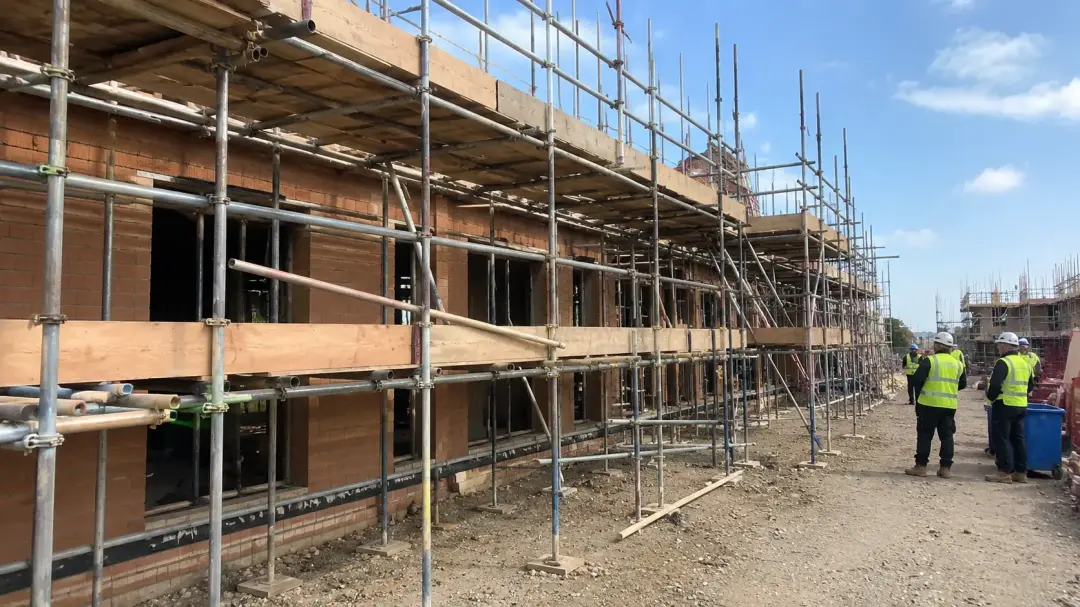
What Is Staircase Scaffolding?
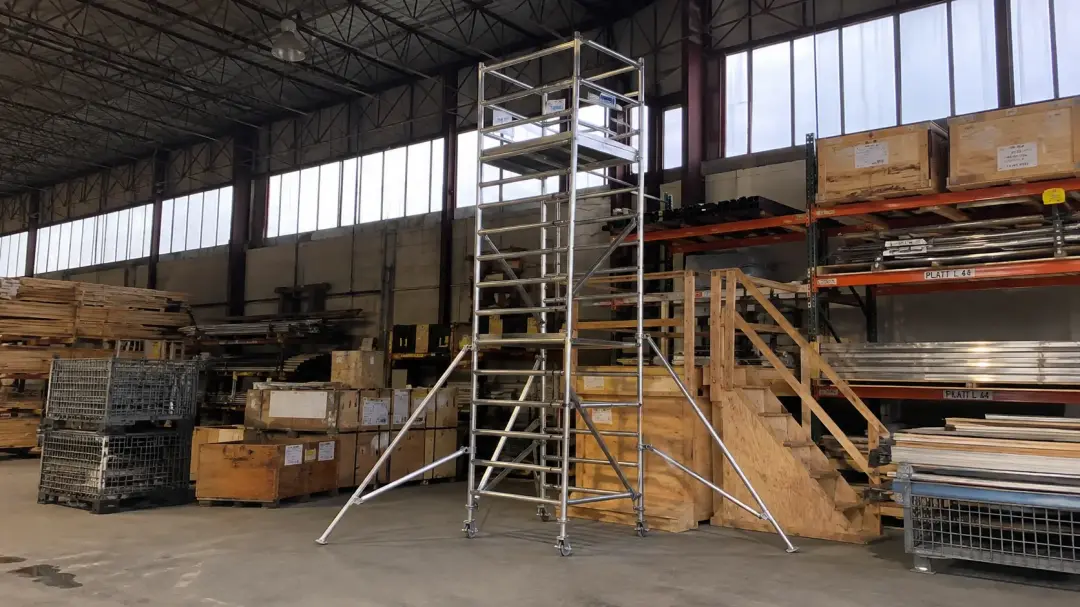
Staircase scaffolding is a temporary access system designed to create a stable working platform above or around stairs. It is commonly used where normal floor-level scaffolding cannot be installed because of different step heights, landings or restricted space.
The structure can be adjusted so the working platform remains level even when the base sits across several steps. This allows decorators, plasterers, electricians and other trades to work more comfortably at height. Staircase scaffolding may include adjustable legs, guardrails, platforms and secure access points depending on the design and location.
It can be used in homes, offices, schools, commercial buildings and other properties with difficult stairwells. The main purpose is to provide a firm surface from which work can be completed without relying on unstable equipment. Correctly installed staircase scaffolding improves access to walls, ceilings, lighting and other high areas while helping workers maintain a safer and more practical position during the job.
Why Staircases Can Be Difficult to Work Around
Staircases can be difficult working areas because they combine changes in floor height with narrow access, sloping spaces and limited room for equipment. A ladder that stands securely on a level floor may become unstable when positioned across steps. Reaching over handrails or working from different step heights can also make it difficult to maintain balance.
Many stairwells contain high walls and ceilings that cannot be reached easily from the landing. Workers may be tempted to stretch, lean or reposition equipment repeatedly. This can make decorating, plastering, electrical work and repairs slower and more difficult.
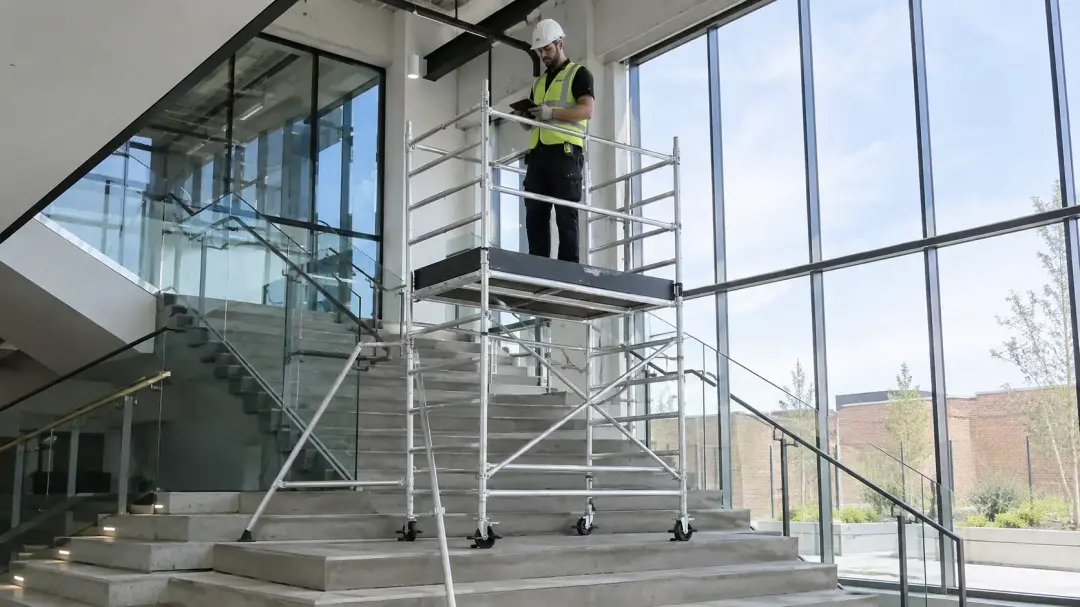
The shape of the staircase also affects access. Straight flights may have limited width, while turning stairs, split landings and open staircases can create additional gaps and changes in level.
Existing handrails, windows and light fittings can restrict where access equipment is placed.
Staircase scaffolding is designed to address these problems by creating a more consistent platform. Instead of working directly from the steps, the user has a level surface positioned at a suitable height. This makes it easier to move along the work area, reach higher sections and keep tools nearby while reducing unnecessary stretching and frequent changes of position.
Why a Stable Working Platform Matters
A stable working platform gives workers a secure surface from which to complete tasks at height. This is especially important on staircases because the steps create uneven levels that can make ordinary access equipment difficult to position correctly. A level platform allows the user to stand naturally rather than balancing on different steps or stretching from a ladder.
It can provide enough space to move carefully, place tools safely and work with both hands where the task allows. Stability is also important for the quality of the work. Painting, plastering, drilling and fitting equipment all require controlled movement. A platform that remains firm helps workers apply consistent pressure and reach the work area more accurately. The structure must still be installed correctly and checked before use.
Platforms, supports and guardrails should be secure and suitable for the expected load. A stable working area improves access, comfort and control, helping the job progress more safely and efficiently.
How Staircase Scaffolding Creates a Level Work Area
Staircase scaffolding creates a level work area by using adjustable supports that compensate for the different heights of the steps and landings below. Instead of every leg standing on the same floor level, each support can be positioned so the main platform remains horizontal.
The exact arrangement depends on the staircase design. Some systems use adjustable legs, extension frames or modular components that fit across separate step levels. The structure is assembled so loads are transferred safely through the supports and into suitable parts of the staircase or floor.
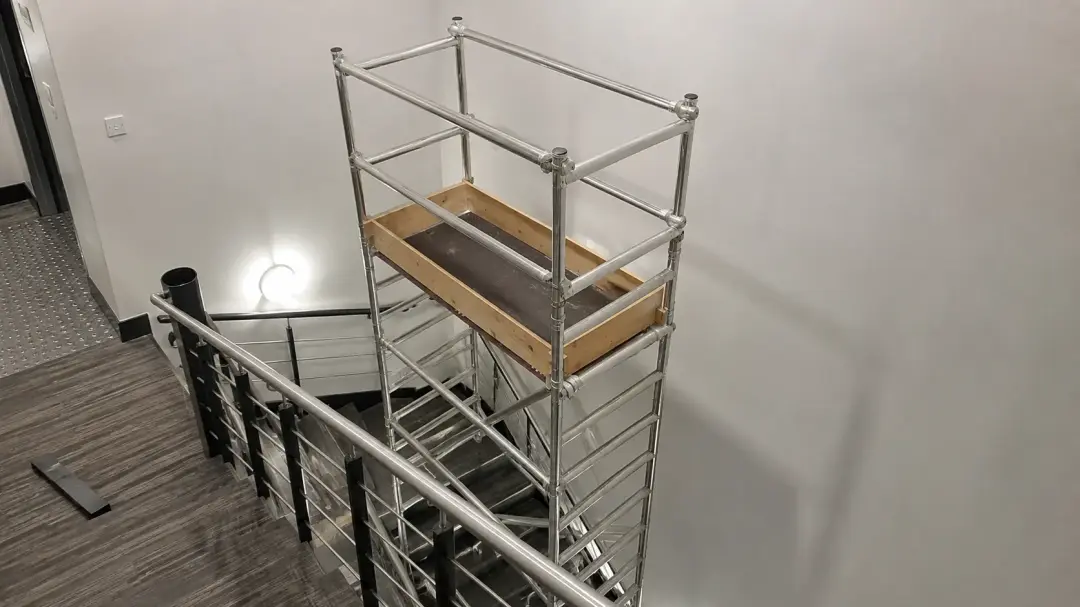
Once the frame has been positioned, the platform is installed at the required working height. It should remain flat and fully supported so workers are not standing on a slope. Guardrails or other protective components may also be added where required.
A level surface makes it easier to move along the work area and reduces the need to compensate for uneven footing. Tools, small materials and equipment can also be placed more securely. The platform height must be selected carefully so workers can reach the intended area without excessive stretching.
Correct assembly is essential because uneven adjustment can create instability. When properly installed, staircase scaffolding turns a difficult stepped area into a more practical temporary workspace for a range of building and maintenance tasks.
Reducing Movement While Working at Height
Staircase scaffolding helps reduce unwanted movement by providing a wider and more stable surface than many temporary alternatives. Workers can stand with both feet on a level platform instead of balancing on a ladder rung or different stair heights. The structure is supported at several points, helping loads remain distributed rather than concentrated on one small contact area
Correctly fitted braces and connections also help prevent the scaffold from twisting or shifting during normal use. A stable platform allows the worker to change position gradually without repeatedly climbing down and moving equipment. This is useful for tasks that cover a large wall or ceiling area.
Workers should still avoid sudden movement, overreaching or placing excessive weight on one side. Tools and materials also need sensible positioning. Reducing movement improves both safety and work quality. Painting lines can be more controlled, plaster can be applied evenly and fittings can be installed with greater accuracy when the working surface remains firm.
Providing Secure Access to High Walls
High stairwell walls are often difficult to reach because the floor level drops away beneath the worker. A ladder placed on the stairs may provide limited access to one small section, while reaching across the stairwell can create an uncomfortable working position.
Staircase scaffolding provides a raised, level platform that can extend across part of the stair flight or landing. This allows workers to stand closer to the wall and work at a more suitable height. The platform can be positioned according to the height of the wall and the area that needs attention.
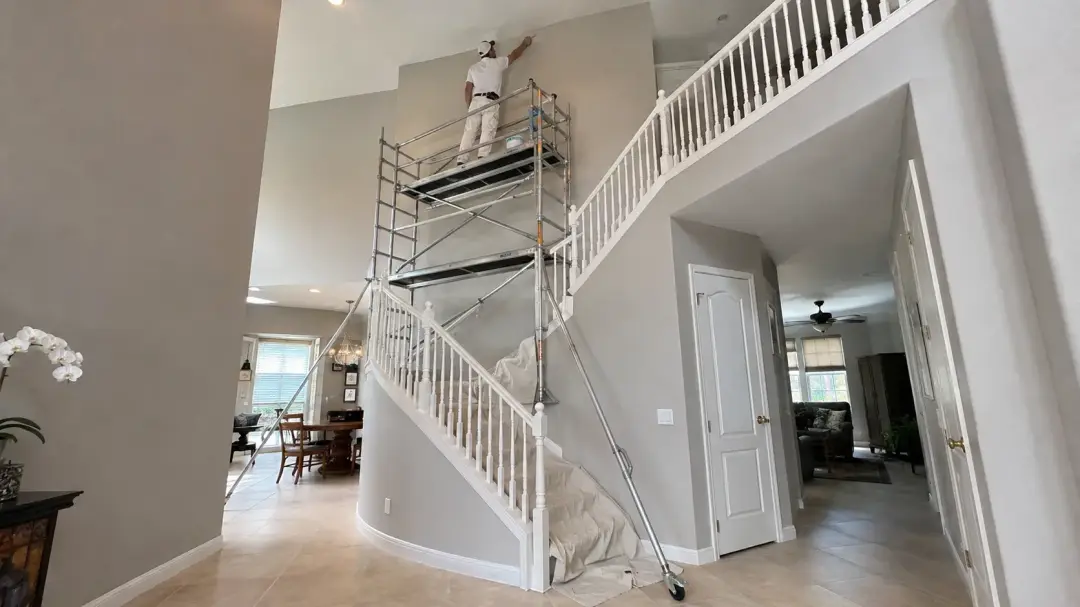
Painters, decorators and plasterers can move along the platform instead of repeatedly repositioning a ladder. Electricians and installers can also gain better access to switches, cables or fittings located high on the wall. Guardrails and secure access points may be included depending on the system and working height.
The structure must be positioned without blocking essential access or placing unsafe loads on weak parts of the staircase. A stable platform improves reach without encouraging excessive stretching.
Workers can keep their body in a more controlled position and use both hands where appropriate. This makes high stairwell walls easier to inspect, prepare, repair and finish while reducing the difficulties created by the uneven stair levels below.
Reaching Stairwell Ceilings Safely
Stairwell ceilings can be difficult to reach because they may sit several metres above the lowest steps. Normal household ladders may not provide a suitable working position, especially where the stair flight is narrow or changes direction. Staircase scaffolding can raise the worker to a more practical level while providing a flat surface beneath them. This allows better access for painting, plaster repairs, electrical work and ceiling preparation.
The platform should be positioned so the user can reach the ceiling comfortably without standing on tiptoe or leaning beyond the protected area. Tools should also remain within easy reach. Access to the platform must be planned carefully. Workers should not climb on handrails, frames or other parts that are not designed as access points.
The scaffold should also allow enough headroom to work without becoming cramped. Correct height selection helps the worker maintain control while reducing strain. A properly installed platform can make ceiling work more manageable, particularly where the staircase creates a deep and awkward void.
Working Above Steps and Landings
Working above steps and landings requires equipment that can accommodate different heights without becoming unstable. Staircase scaffolding is designed to bridge these changes and create a continuous level platform where normal floor access is not possible. Supports may be positioned on separate steps, a landing or the floor below. Each support must be adjusted so the scaffold remains level and the load is transferred safely. The staircase itself should be checked to ensure it can support the planned arrangement.
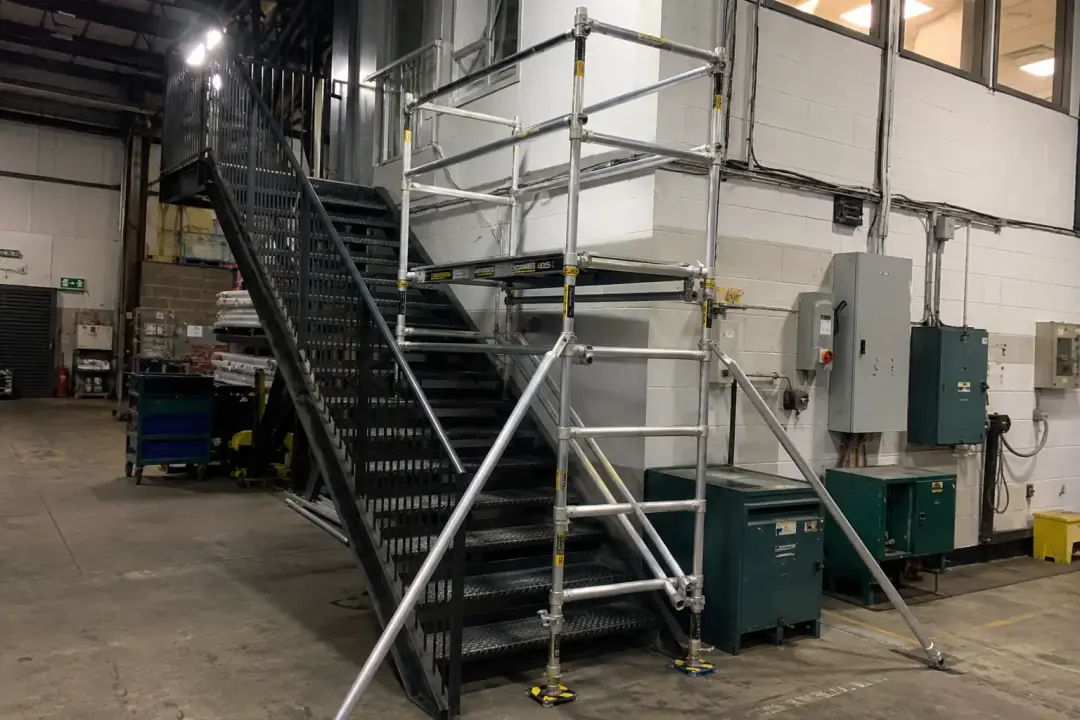
A platform can span areas that would otherwise require workers to use several different ladder positions. This is useful around turning stairs, half landings and walls that continue vertically across more than one floor level.
The design should maintain safe access to the scaffold while avoiding unnecessary obstruction. Where other people still need to use the staircase, the work may need to be scheduled or the area temporarily restricted. Guardrails and edge protection can help manage open sides where there is a risk of falling.
Materials should not be placed where they could drop onto the stairs below. A level working platform improves control and allows the user to concentrate on the task rather than constantly adjusting their balance to match the staircase. This can make work above steps and landings safer, quicker and easier to organise.
Supporting Workers and Equipment
Staircase scaffolding is designed to support workers together with the tools and materials needed for the task. The platform provides more usable space than a ladder, allowing equipment to be positioned without the worker needing to carry everything while climbing. The scaffold must not be overloaded. Every system has limits based on its design, platform size and supporting components.
Heavy materials or equipment should only be placed on the platform when the structure is suitable for the additional weight. Tools should be organised so they do not create trip hazards. Small items can be stored in suitable containers or tool holders. Workers should also avoid placing materials close to open platform edges. Items that fall into the stairwell could injure people below or damage the property.
A properly arranged platform supports efficient working because the user can keep essential equipment nearby. This reduces repeated trips up and down the staircase and allows tasks to continue with fewer interruptions.
Improving Balance During Decorating Work
Decorating stairwells often requires workers to reach high walls, corners and ceiling edges while using brushes, rollers or preparation tools. These tasks are difficult when the worker must concentrate on maintaining balance at the same time. Staircase scaffolding creates a flat surface that allows a more natural standing position. The worker can keep both feet level and move along the platform instead of balancing on a narrow ladder rung. This provides greater control when cutting in around ceiling lines, applying paint or smoothing wall surfaces. The platform can also be positioned so the working area sits within comfortable reach. This reduces the need to stretch sideways or lean backwards when painting difficult sections.
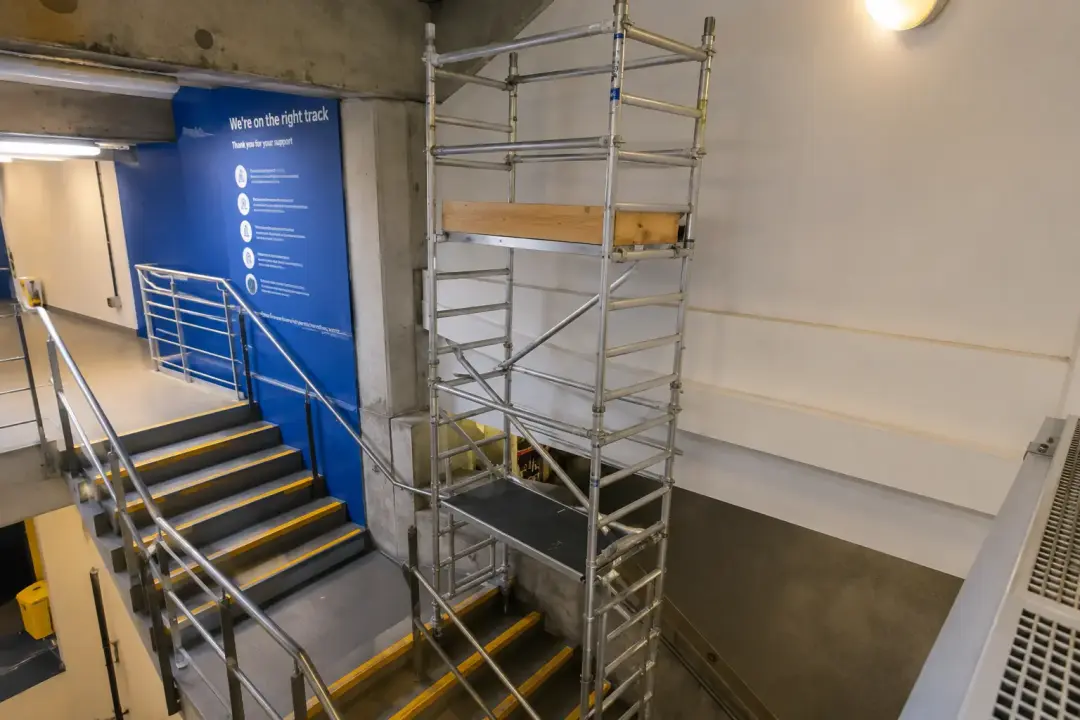
Decorating work often involves repeated movements. A secure platform helps the worker maintain a consistent position while using rollers, filling tools and sanding equipment.
It can also provide space for paint containers and small tools when they are stored safely. Guardrails and suitable access help reduce the chance of stepping backwards into an open stairwell.
The work area should still be kept tidy because paint sheets, tools and cables can create trip hazards. Improved balance can support a better finish as well as safer working. Controlled movement makes it easier to create even coverage, straight edges and consistent preparation across large walls and ceilings.
Staircase Scaffolding for Painting and Decorating
Painting and decorating around staircases can involve high ceilings, long walls and areas that are difficult to reach from normal floor level. Staircase scaffolding provides a platform from which decorators can prepare and finish these surfaces more comfortably. The platform may be used for sanding, filling, painting, wallpapering or applying other decorative finishes.
Workers can move along the area instead of repeatedly adjusting a ladder. Paint trays, brushes and small tools can be kept on the platform when they are positioned safely. This helps reduce unnecessary climbing between coats or work stages. Protection should be placed over stairs, flooring, handrails and nearby surfaces before decorating begins. Materials must not interfere with scaffold supports or access points.
The platform height should allow comfortable reach to both walls and ceilings. If the area is very tall, the scaffold design may need additional levels. Using a stable platform supports greater control over decorating work and can help achieve a more consistent finish across difficult stairwell surfaces.
Staircase Scaffolding for Plastering
Plastering requires steady movement and consistent pressure, making a stable platform particularly useful in a stairwell. Workers need enough room to load tools, reach the wall and move across the surface while maintaining control of wet plaster. Staircase scaffolding creates a level work area above the steps so plasterers can reach high walls and ceiling sections without relying on unstable ladder positions.
The platform can be set at a height that allows the worker to apply and smooth plaster comfortably. Space is also needed for hawks, trowels and small amounts of material. These should be positioned so they do not obstruct movement or create trip hazards. Heavy mixing equipment should normally remain on a suitable floor unless the scaffold is specifically designed for the load.
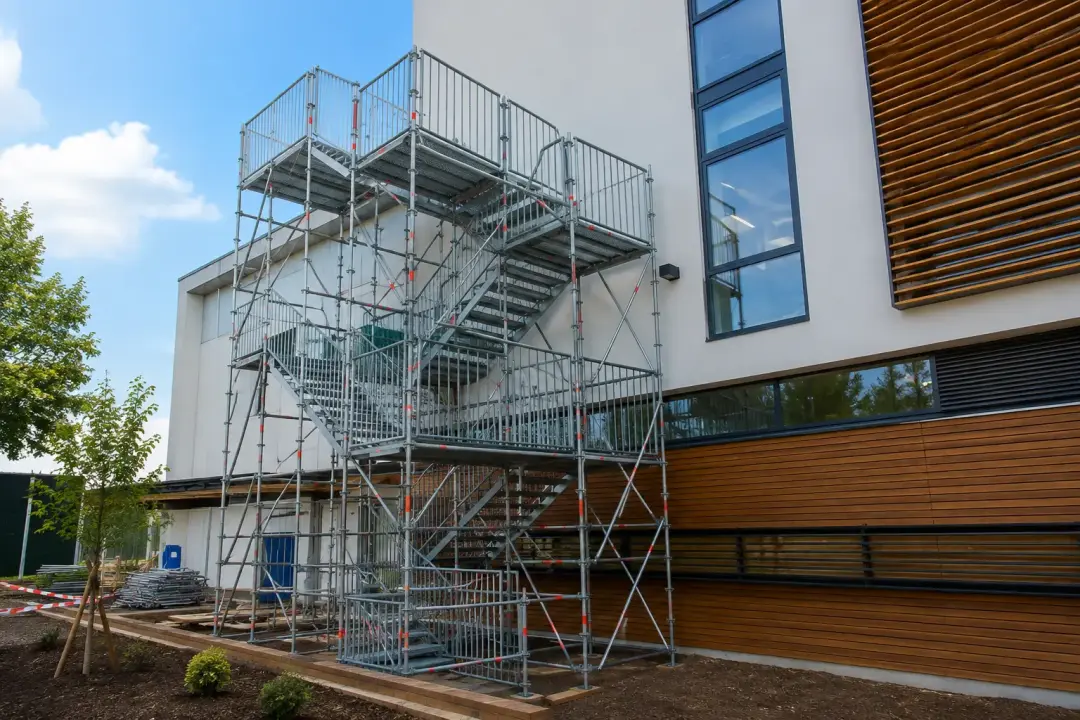
Wet plaster can make surrounding surfaces slippery if dropped, so protective coverings and regular cleaning are important. Access routes should remain clear.
Plastering often needs continuous work across a large area before the material begins to set. A platform that allows the worker to move along the wall can therefore improve efficiency and help maintain a consistent finish. The scaffold must remain stable throughout the work.
Workers should not lean heavily against guardrails or extend beyond the platform to reach missed areas. Correct positioning from the start helps provide safer and more effective access.
Staircase Scaffolding for Electrical Work
Electricians may use staircase scaffolding to reach high-level cables, switches, detectors, alarms and other electrical equipment installed within a stairwell. The level platform allows tools to be used with greater control than when standing on uneven steps. The working height can be selected according to the position of the electrical installation. This reduces excessive stretching and makes it easier to inspect connections or route cables.
Electrical safety remains essential. Circuits should be isolated where required, and cables should not create trip hazards across scaffold platforms or access routes. Metal scaffold components may also need consideration around live electrical equipment. Work planning should ensure suitable distances and precautions are maintained.
Tools and small components can be kept nearby when stored safely. This reduces unnecessary climbing and helps electricians complete several fittings from the same platform position. A secure working surface is particularly useful for tasks that require both hands, such as terminating cables or fitting electrical accessories. Proper scaffold installation supports safer access without replacing normal electrical safety procedures.
Staircase Scaffolding for Lighting Installation
Lighting installation in stairwells can be difficult because fittings are often positioned in the centre of a high ceiling or on walls above several flights of stairs. A normal ladder may not provide safe access to the required location. Staircase scaffolding can create a raised platform beneath or beside the fitting. This allows the installer to work at a comfortable height and use both hands for wiring, fixing and assembling the light. The platform must be positioned so the worker does not need to lean outside the protected area. Lighting components, tools and fixings should be stored securely to prevent them from falling into the stairwell.
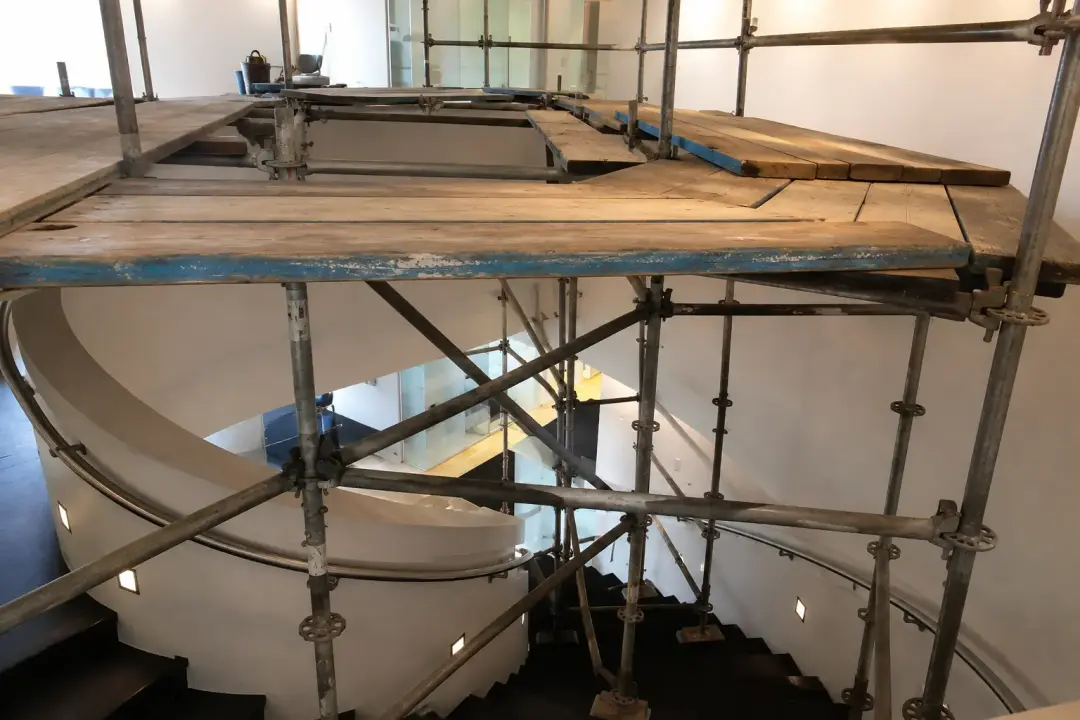
Electrical circuits should be isolated and checked according to normal safe working procedures. The scaffold does not remove electrical risks and should be treated only as the access system. Large or heavy light fittings may require additional lifting arrangements.
Workers should not carry bulky equipment while climbing onto the platform if this creates a risk. The scaffold must also avoid damaging existing chandeliers, cables or decorative features.
In narrow stairwells, careful measurement is needed before installation. Providing a stable platform can make ceiling lights, wall lights and other high fittings easier to install and maintain. It reduces awkward body positions and gives the electrician a more controlled working area for accurate fixing and connection.
Staircase Scaffolding for Ceiling Repairs
Ceiling repairs above stairs may involve filling cracks, replacing damaged plaster, sanding surfaces or repairing small sections after water damage. These tasks usually require steady access close to the ceiling. A staircase scaffold can provide a level platform that allows workers to inspect the damage properly before repairs begin. The height can be adjusted so tools can be used without excessive reaching.
Ceiling work often creates dust and loose material. The area below should be protected and access restricted while repairs are carried out. Tools, fillers and small replacement materials can be kept on the platform where safe, reducing repeated journeys up and down the stairs. If the ceiling damage may relate to structural movement or an active water leak, the underlying cause should be investigated before cosmetic repairs are completed.
A stable platform allows the worker to prepare, repair and finish the ceiling more accurately. It can also make repeated stages such as filling, sanding and painting easier to complete from the same working position.
Using Scaffolding in Narrow Stairwells
Narrow stairwells require careful planning because there may be limited space for scaffold frames, platforms and safe access. A suitable staircase scaffold must fit without becoming unstable or blocking important parts of the building unnecessarily. Compact or modular systems can sometimes be configured to suit restricted widths.
The installer needs accurate measurements of the steps, walls, landings, handrails and ceiling height before choosing components. The platform should provide enough room to work while still allowing guardrails and access where required. A surface that is too narrow may restrict movement, while equipment that is too wide may press against walls or fail to sit correctly on the staircase.
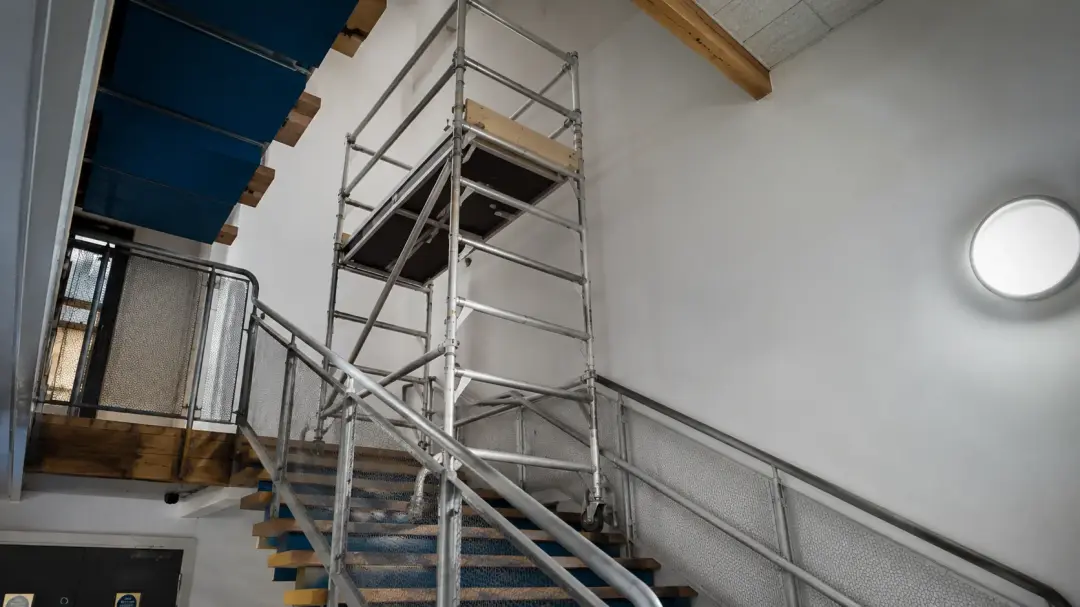
Doors, windows and electrical fittings near the stairwell should also be considered. Components must not trap or damage them. In occupied buildings, the staircase may need to be closed while the scaffold is in place.
Trying to maintain normal pedestrian access through a very narrow scaffold arrangement can create unnecessary hazards. Small components, tools and materials should be kept organised because there is less space available. Workers must avoid placing items in access openings.
A carefully designed narrow stairwell scaffold can still provide a useful working platform. The key is choosing a system that fits the available space without compromising stability or safe movement.
Scaffolding for Tall and Open Staircases
Tall and open staircases can create large drops, wide voids and difficult access to high ceilings. These spaces often need a more substantial scaffold arrangement than a small domestic staircase. The scaffold may require additional height, bracing and edge protection to create a stable platform within the open area. The base must remain secure even where the staircase changes direction or includes large landings.
Open sides increase the importance of guardrails and controlled access. Materials and tools must also be stored carefully to prevent anything falling into occupied areas below. The installer should consider ceiling height, wall access and the position of decorative features or large windows. A platform may need to cover only part of the void or extend across several areas.
Tall scaffold structures should be installed by competent people using a suitable design. Height increases the effects of movement and incorrect loading. When properly planned, staircase scaffolding can provide controlled access to areas that would be very difficult to reach from ordinary ladders, towers or steps.
Staircase Scaffolding Compared with Ladders
Ladders are useful for short-duration tasks where they can be positioned safely on a suitable surface. Staircases can make this difficult because the steps create uneven support and limited space at the base. Staircase scaffolding provides a level platform rather than a narrow rung. This allows the worker to use a more natural standing position and move across a larger area without climbing down after every small section. A scaffold can also provide space for tools and materials, while ladder users often need to carry items or return repeatedly to the floor. Guardrails can offer additional protection around open edges.
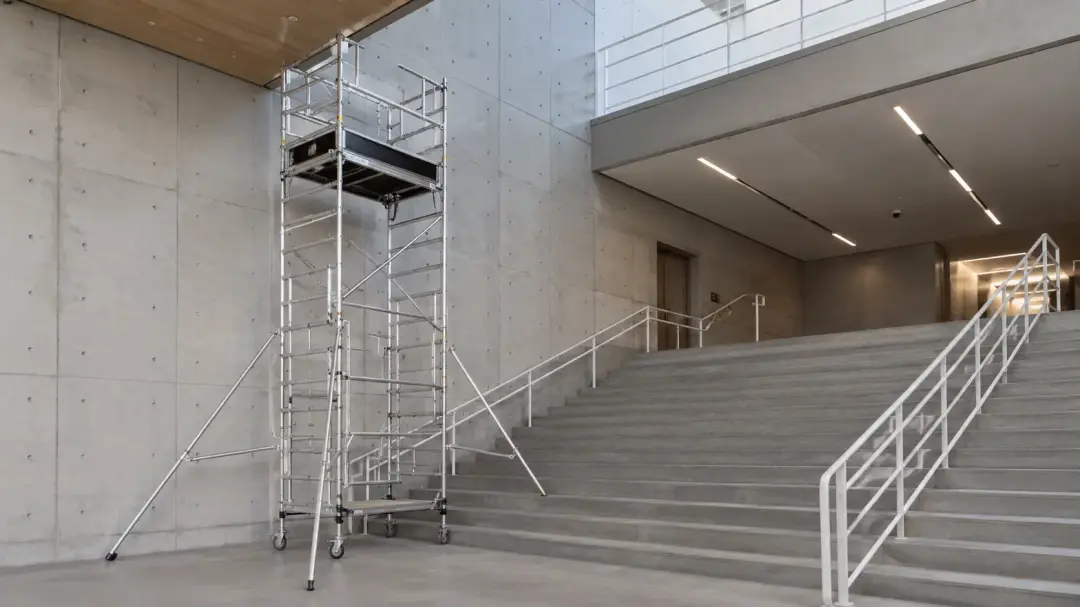
Ladders remain suitable for some simple tasks, especially where work is brief and a properly designed stair ladder can be used. Scaffolding may be unnecessary for every minor repair.
The choice should consider task duration, working height, required movement and the tools involved. Work that needs both hands or covers a wide ceiling or wall area often benefits from a platform.
Scaffolding requires more time to install and occupies more space, but it can provide a more practical working environment for extended tasks. The aim should always be to choose access equipment that matches the specific staircase and work being completed.
Are you looking for staircase scaffolding in Tamworth, Lichfield and Birmingham? We offer trusted staircase scaffold hire for domestic and commercial projects. Our fully qualified team provides safe scaffolding services for each job.