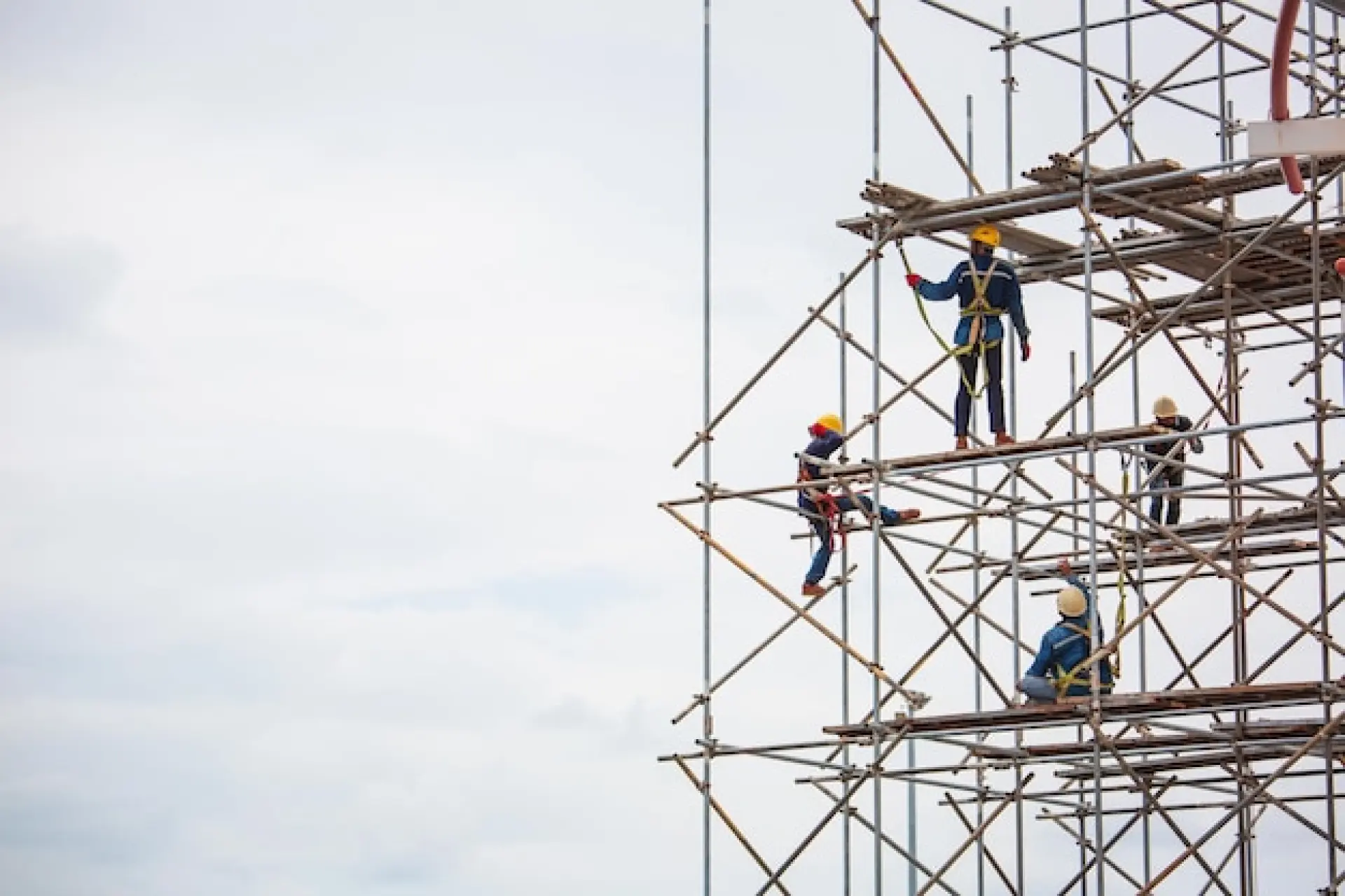
When you start work on your home, choosing the right scaffolding is crucial for safety, efficiency and cost. The right type of scaffolding will give you a stable platform at the correct height so that you, your team and your workers can carry out tasks safely and efficiently.
Whether you are planning minor repairs, painting, roofing or larger construction projects, you need to consider your scaffolding needs carefully so that the structure fits your home and your budget.
Below, we explain how to choose the right scaffolding for your home, when to use different types of scaffolding, and what to keep in mind to meet safety standards and UK regulations.
Assessing the Height and Scope of Your Project
Before selecting any scaffold, think about the height and scope of the project. A small job, such as painting part of a single-storey home, may only need a simple scaffold tower. Larger projects, such as roof repairs or replacing guttering around the whole building, often need a more advanced scaffolding system that can reach different areas and support more weight.
Look at the number of levels you need to access, the design of the building and how far you need to reach. Identify which parts of the roof, walls or windows need scaffolding and how many workers and tools will be on the platform at the same time. This will help you understand the weight that the scaffolding must safely support.
Ground conditions are another important factor. The site must be strong and stable, so check for soft soil, slopes or obstacles that might affect stability. If space is tight, you may need a more compact type of scaffolding that still provides safe access.
By planning these details in advance and keeping your project requirements in mind, you can choose the right scaffolding that is stable, safe and built to suit the work you need to carry out.
Understanding Different Types of Scaffolding for Homes
There are several different types of scaffolding used on domestic projects, and understanding the common types will help you choose the right solution.
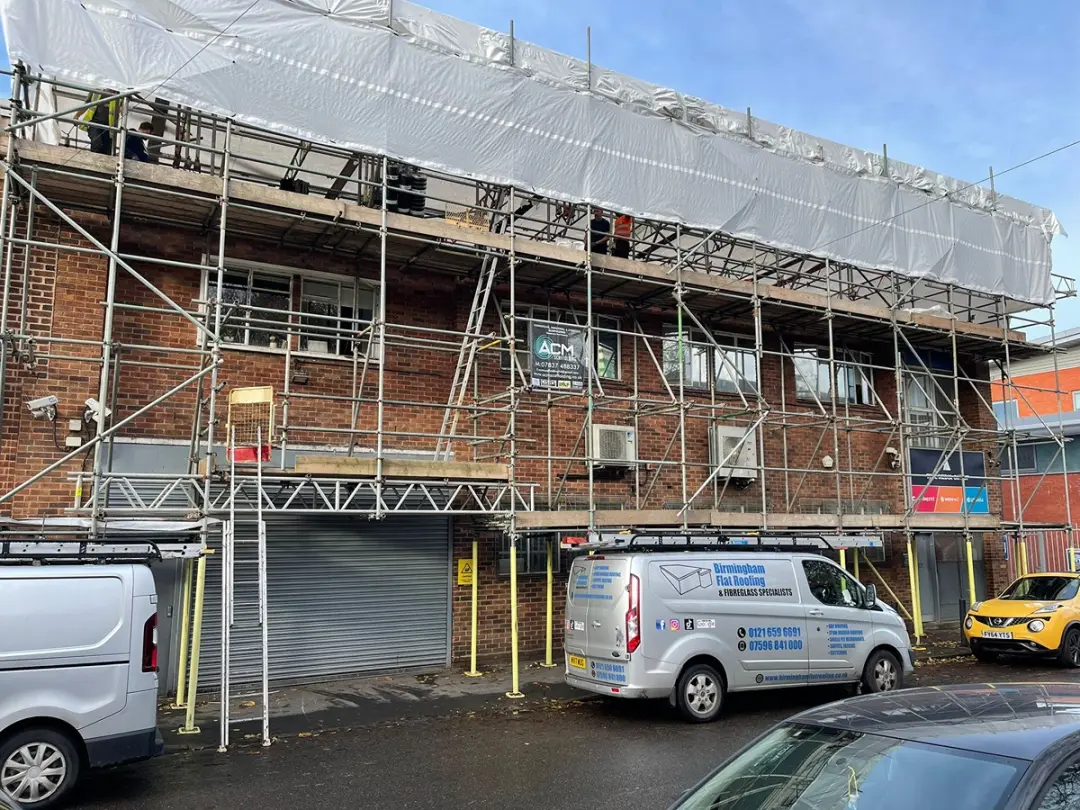
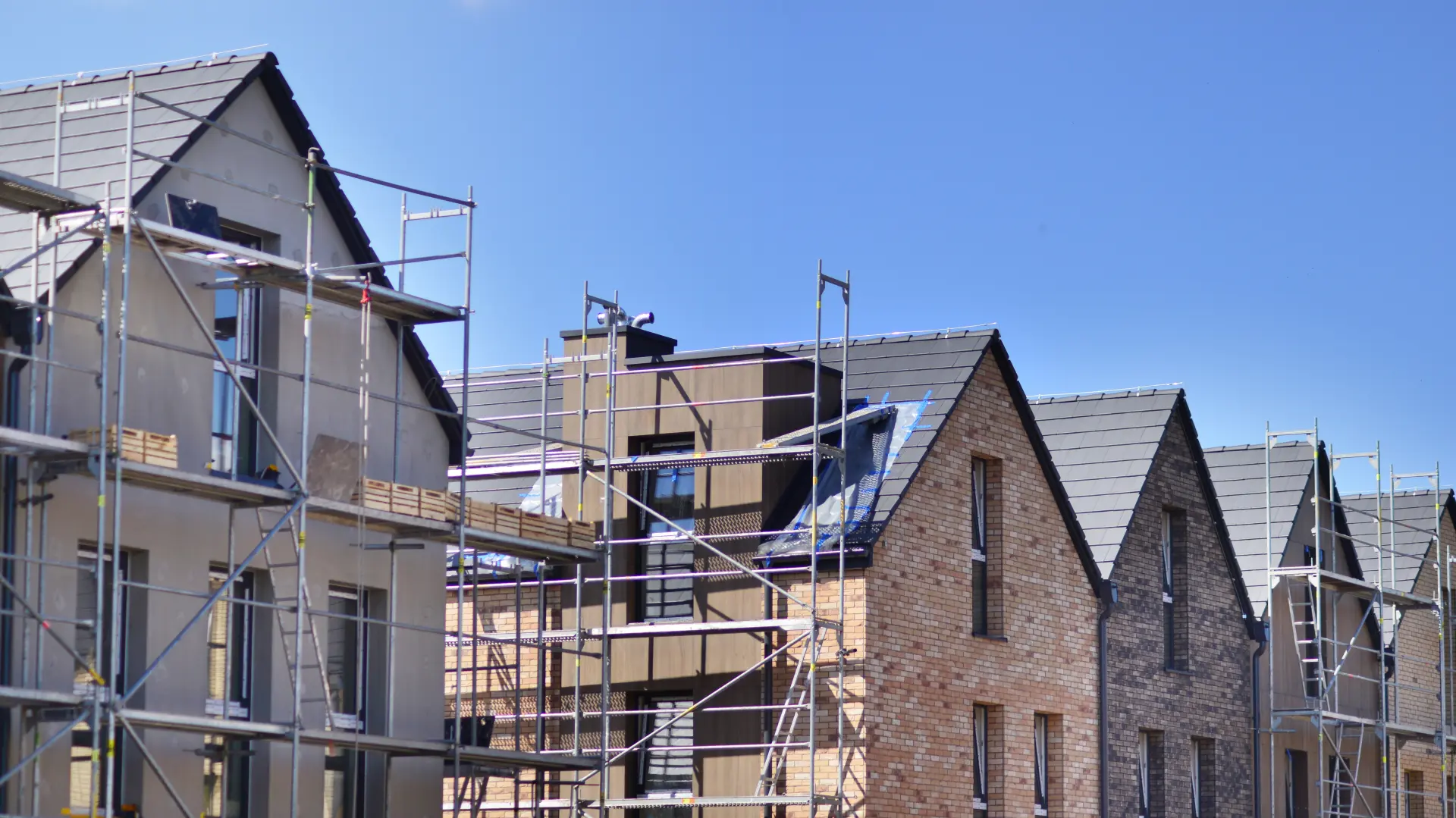
Traditional fixed scaffolding is built from vertical poles and horizontal tubes that are tied to the building. This type of scaffolding offers a strong structure and a stable platform for heavy work such as bricklaying, roofing and larger construction projects.
Scaffold towers are a popular choice for smaller jobs around the home, such as painting, window installation and minor repairs. These towers are often part of modular scaffolding systems that can be set up and adjusted quickly.
Suspended scaffolding is sometimes used for high-level tasks such as window cleaning or work on taller buildings. The platform is suspended from the roof and can be raised or lowered as needed. This type of scaffolding is more common on commercial sites than on domestic homes, but it helps show how flexible modern scaffolding systems can be.
Cantilever scaffolding is designed for situations where the ground directly below the work area is not suitable for standard poles, for example over a glass roof, conservatory or extension. In this system, the scaffold is supported by a structure that projects out from the building, giving safe access where normal bases cannot be used.
Understanding these different types of scaffolding will make it easier to find the right type for your home, so that your scaffold matches your working height, access needs and safety requirements.
Fixed vs Mobile Scaffolding: Which One Do You Need?
The choice between fixed and mobile scaffolding depends on the nature of your project, the site, and how long the work will take.
Fixed scaffolding is best for long term jobs or where stability is crucial, such as bricklaying, rendering, cladding or major roofing work. This type of scaffolding is anchored to the building, providing a safe and secure working area with strong platforms. It is ideal when weight, stability and safety and efficiency are the main priorities, and when workers need reliable access to the same sections of the building over time.
Mobile scaffolding, by contrast, is built as a scaffold tower with wheels or casters. It is ideal for smaller projects that require frequent movement, such as painting, window cleaning, or other tasks that move around the outside of the home. It can be a quick and flexible solution, especially on level ground where the tower can be pushed from place to place.
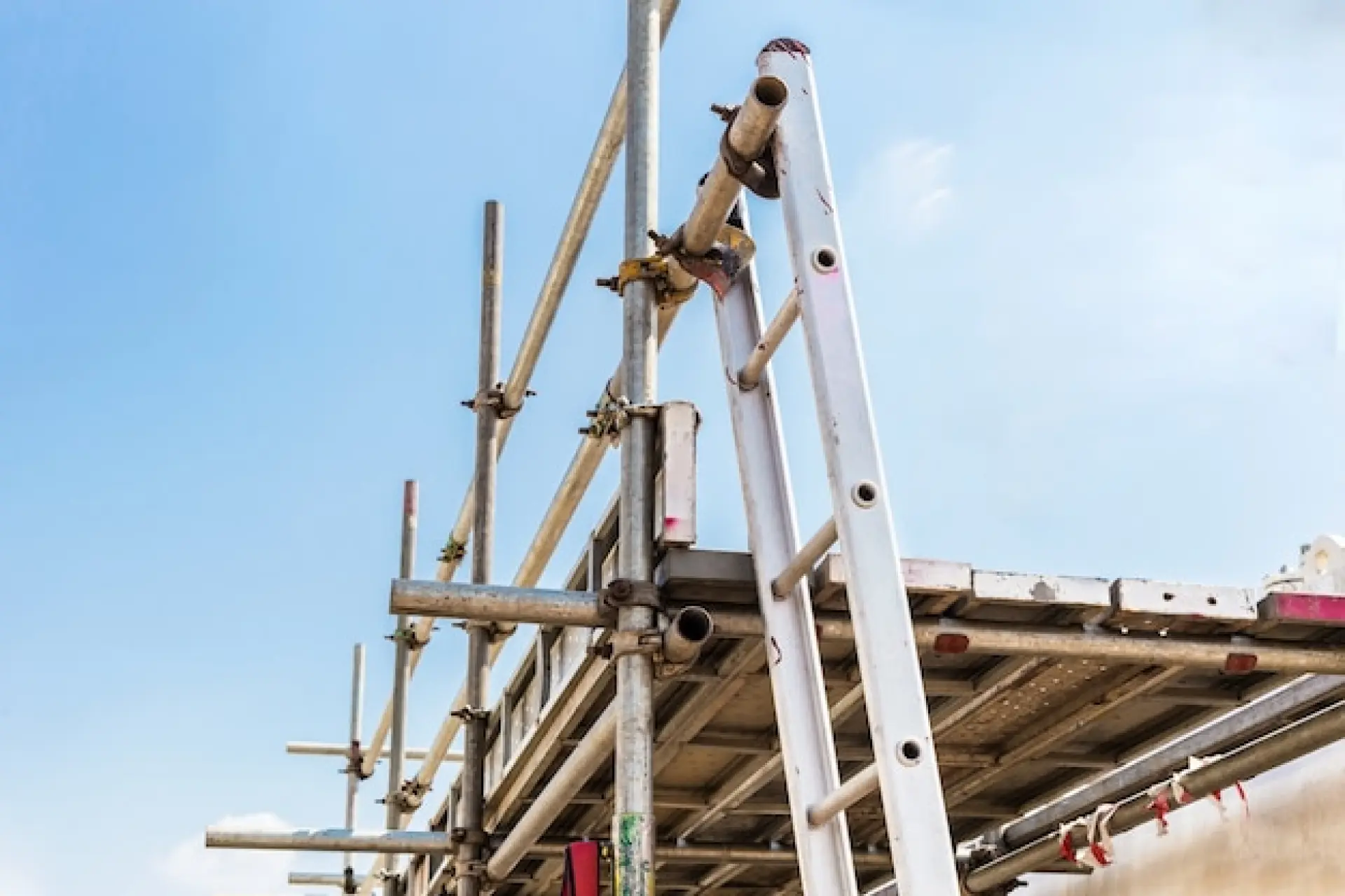
If you are working on a project that involves multiple faces of your home, such as painting both the front and back, a mobile scaffolding system may reduce the time spent dismantling and rebuilding sections.
However, it is essential to ensure that the wheels are lockable and that the tower is used only on firm, level ground so that the structure remains stable.
Fixed scaffolding, though less flexible, provides greater support for jobs that involve heavy materials and equipment or that require a stable platform for many hours each day.
When making your choice, think about the duration of the work, the terrain, how many access points are needed and the experience level of the team who will be working on the scaffold.
Choosing the Right Materials: Steel, Aluminium, or Timber?
Steel scaffolding is the strongest option and is often used for heavy-duty construction projects, especially where high weight and maximum stability are required. It is ideal for roofing, brickwork and other demanding jobs where the scaffold must support both workers and large quantities of materials. The structure is very durable but heavier, so it needs a solid ground to support it.
Aluminium scaffolding is lighter but still strong. It is often the ideal choice for domestic projects where ease of handling and quick assembly are important. Because it is easier to move, aluminium is commonly used for mobile scaffold towers and tasks that need frequent repositioning. It also offers good durability, as aluminium does not rust, which is helpful for outdoor work over time.
Timber scaffolding is less common today but may still be used in certain traditional building methods or very short term projects. If timber is used, it is essential to ensure that all boards and poles are properly graded, treated and maintained to meet modern safety standards.
When choosing the material, keep in mind the load that will be placed on the scaffold, the type of work, and how often the scaffold will be moved. The right material will offer a balance of strength, durability, flexibility and cost that suits your project.
Matching Scaffolding to Common Home Projects
Different home projects have different scaffolding needs, so it helps to match the type of scaffolding to the job.
For painting and decorating, a lightweight mobile tower can be ideal. It provides easy access to the walls and soffits while allowing you to move along the building without rebuilding the whole structure. A stable platform and guardrails will help you work safely at height while handling paint, tools and other materials.
For roofing and roof repairs, including work on chimneys, tiles and gutters, fixed scaffolding is usually the best choice. Roofing jobs often involve heavier loads and a larger working area, so a strong scaffold that runs along the edge of the roof and provides multiple platforms is essential. This offers a safe and secure space for workers to move, store materials and use equipment.
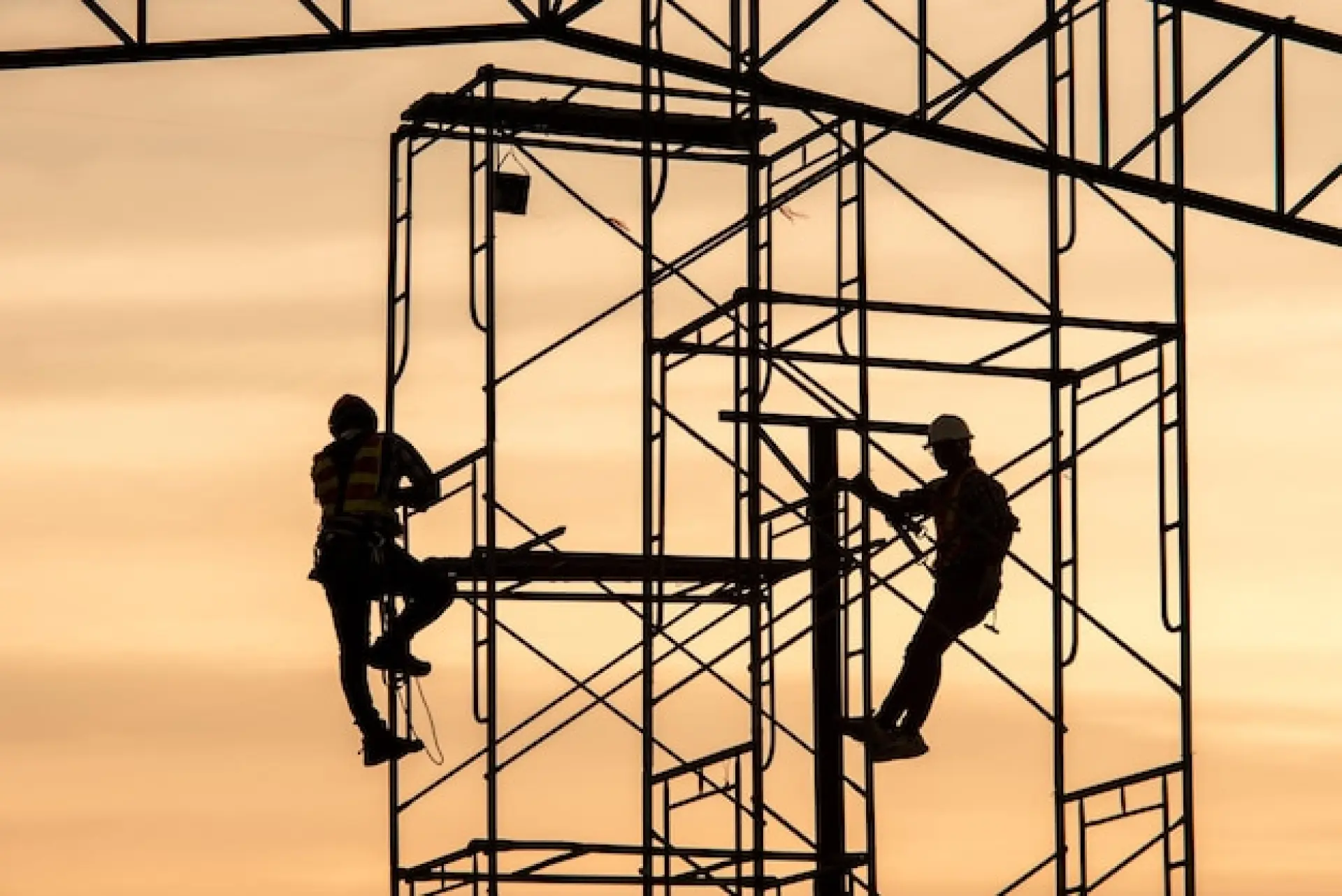
For window cleaning or window replacement at height, a small scaffold tower or suspended scaffolding system may be used, depending on the building and the access needed.
A tower can be a quick solution for domestic homes, while suspended scaffolding is more likely on taller blocks of flats or commercial sites.
For minor repairs such as small brickwork patches, repointing, or fixing sections of render, both fixed and mobile systems can work. The right choice will depend on how many areas need scaffolding and how often you need to move.
By identifying the type of work, the number of tasks and the areas of the home involved, you can choose the right scaffolding that offers a safe, stable and efficient solution.
Planning, Budget and Timeframe
Good planning is essential when choosing the right scaffolding. Start by setting a clear budget for your scaffold and your wider project. The cost will depend on the height, length, type of scaffolding, materials, and how long it needs to stay in place.
Think about whether the scaffold is needed for a quick job lasting a few days or for long term work lasting several weeks. Longer jobs may benefit from more advanced scaffolding systems that offer better flexibility and efficiency over time, even if the initial price is higher.
You also need to consider the time needed for delivery, set up and dismantling. A well-organised team can build a safe scaffold in a short time, but the design still has to meet your access requirements and safety standards.
Make sure you understand what is included in the price. Ask if safety inspections, adjustments during the project, and any changes to the design are part of the agreement. Planning in this way will help you find a reliable solution that fits both your budget and your project needs.
Safety Considerations When Selecting Scaffolding
Safety should always be at the centre of your decision when choosing scaffolding for your home. The scaffold must be designed to support the combined weight of workers, tools and materials, with extra capacity to allow for movement. Platforms should be stable and fitted with guardrails and toe boards to prevent falls and dropped objects.
Check that the scaffold is built with non-slip platforms and that all access ladders or staircases are secure and easy to use. A well-designed scaffolding system will provide clear access routes so that workers can move safely between levels.
The ground must be able to support the structure. If the ground is soft or uneven, base plates, sole boards or other supports may be needed to spread the weight and keep the scaffold stable. Outriggers or stabilisers may also be required, especially for mobile towers, to reduce the risk of tipping.
It is important to think about the wider site and any risks around the scaffold, such as roads, paths, power lines or nearby buildings. Barriers and signs can help keep other people away from danger. Regular safety checks during the project can identify loose fittings or damaged boards early and reduce the chance of accidents.
Personal protective equipment, including helmets, harnesses where required, and slip-resistant footwear, should always be used. Clear safety guidance and short briefings for everyone using the scaffold will help ensure that safety rules are followed every day.
Ensuring Compliance with UK Scaffolding Regulations
In the UK, scaffolding must comply with strict regulations to protect workers and others around the site. The Work at Height Regulations 2005 set out the legal requirements for working safely at height, and these apply to domestic projects as well as larger construction projects.
Scaffolding should only be designed and erected by a competent person with the right training and experience. Many homeowners choose a scaffolding company that follows codes of practice such as those from the National Access and Scaffolding Confederation, as this can provide extra assurance that safety standards are being met.
The scaffold must be inspected before first use, after any change in design, after severe weather and at regular intervals, usually at least every seven days. Records of these inspections should be kept for the whole period that the scaffold is in place.
If the scaffolding is built over a pavement or road, or if it affects public access in any way, a permit from the local council may be required. Your chosen company should understand these regulations and help you meet them.
By making sure your scaffold is built and checked in line with current regulations, you not only improve safety but also reduce legal risk and give everyone on site peace of mind.
Working with a Professional Scaffolding Company
For most homeowners, the safest approach is to work with a professional scaffolding company that can design, supply and erect the scaffold. A good provider will take time to understand your scaffold needs, visit your home, and identify the safest way to provide access for the work.
Look for a company with a strong safety record, clear insurance, and a trained team. Ask about their experience with domestic jobs similar to yours and how they plan to ensure the scaffold is safe and secure throughout the project. A reliable company will be happy to explain the design, the equipment used and the checks they carry out.
They should also be able to recommend the right type of scaffolding for your project, whether that is a fixed scaffold, mobile towers, cantilever scaffolding, or another system. Good guidance will help you understand the factors involved, such as weight limits, access routes, durability, and any special requirements for your home.
If you have questions or you are unsure which option will meet your needs, you can contact us at Tamworth Scaffolding Supply for clear advice about your scaffolding needs and to find a scaffolding solution that is safe, efficient and suited to your project.
Choosing the Right Scaffolding: Final Thought
Choosing the right scaffolding for your home means more than simply hiring a few platforms and poles. You need to consider height, reach, ground conditions, the type of work, the number of workers, the time frame and your budget. You also need to understand the different types of scaffolding, from fixed systems and scaffold towers to more specialist options such as suspended scaffolding and cantilever scaffolding.
By planning carefully, keeping safety and efficiency in mind, and working with a reliable scaffolding company that follows UK regulations and safety standards, you can ensure that your scaffold is safe, stable and fit for purpose. This will help your project run smoothly, protect everyone on site, and give you confidence that the work on your home is being carried out safely and securely.
If you're carrying out any construction or renovation projects, no matter how big or small, give our company a call. We'll supply you with and install only the best custom scaffolding structures and platforms that you need throughout Tamworth, Lichfield and Birmingham.