Planning Safe Roof Access for Solar Panel Installation
Installing solar panels usually means carrying equipment onto a roof and spending time working close to its edges. This makes safe access an important part of planning the project.
For many homes, scaffolding provides access to roof level and a working platform around the roof edge. However, the requirements will depend on the building, roof, and work being completed.
If you are considering solar panels, it is useful to think about access before the installation date. Doing so allows the solar installer and scaffolding provider to plan their work around each other.
Start With the Roof, Not the Solar Panels
It can be tempting to begin by deciding how many solar panels you want and where they will be positioned. From an access point of view, however, the roof itself is just as important.

- Is it pitched or flat?
- How high is it?
- Are there different roof levels?
- Are there rooflights, dormer windows, or extensions?
- Is the proposed panel area close to a roof edge?
These details affect how installers will reach and move around the working area.
The Health and Safety Executive explains that all roof work should be properly planned. It identifies safe roof access, roof edges, openings, and fragile surfaces as important issues to consider.
Planning access early means these issues can be considered before installation starts.
Why Scaffolding Is Commonly Used for Solar Panel Installation
Solar panel installation involves more than reaching the roof once. Installers may need to make repeated journeys between the roof and ground while carrying tools and equipment. They also need to work in the area where mounting equipment and panels are being fitted.
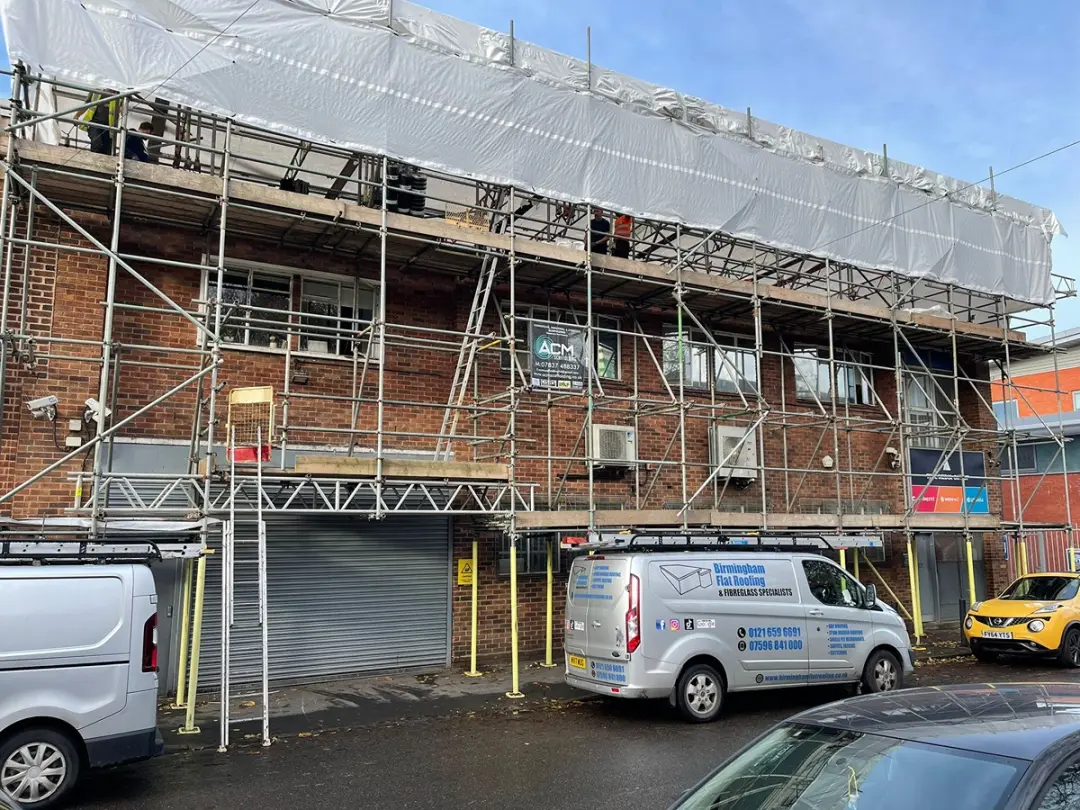
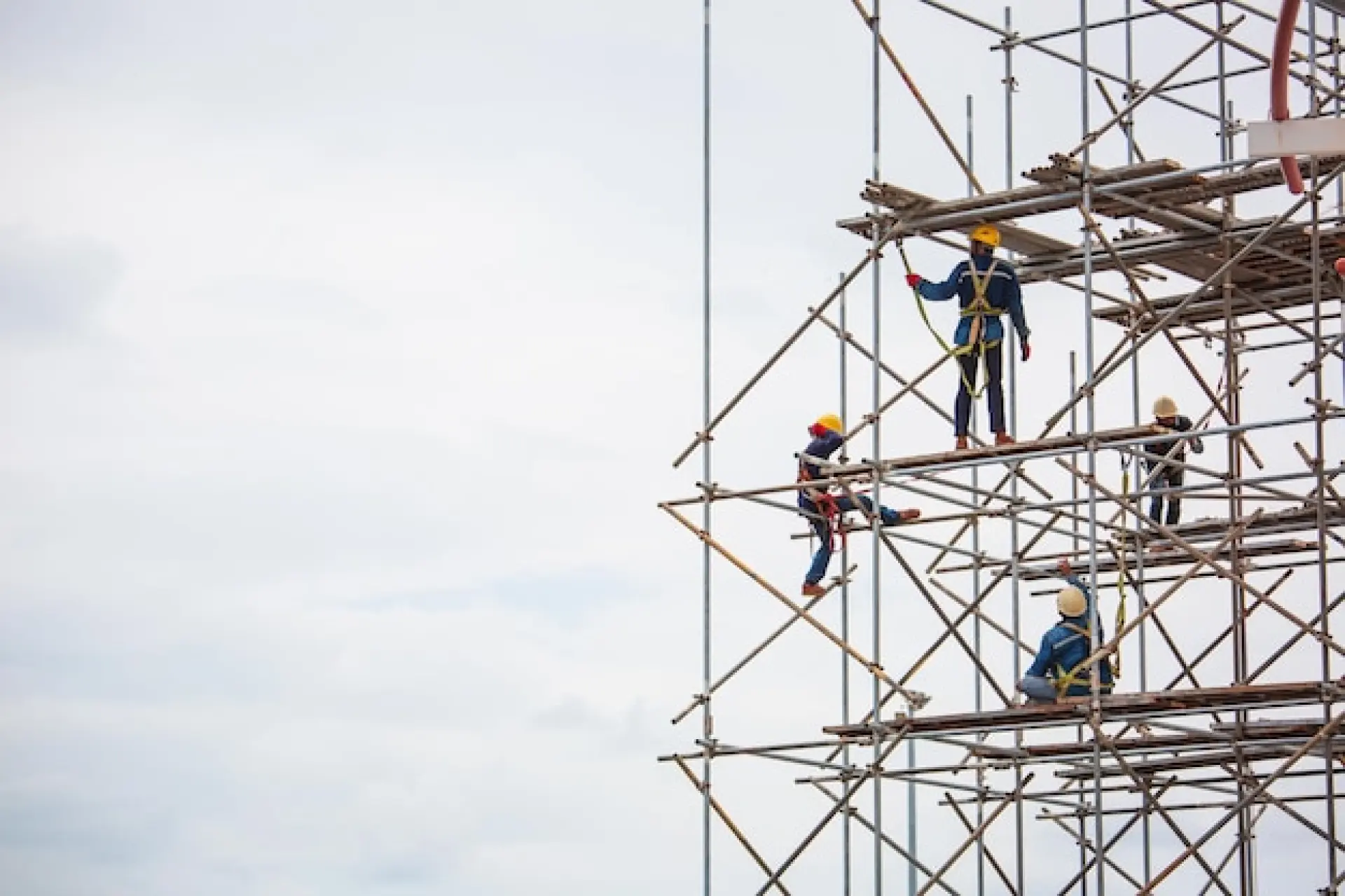
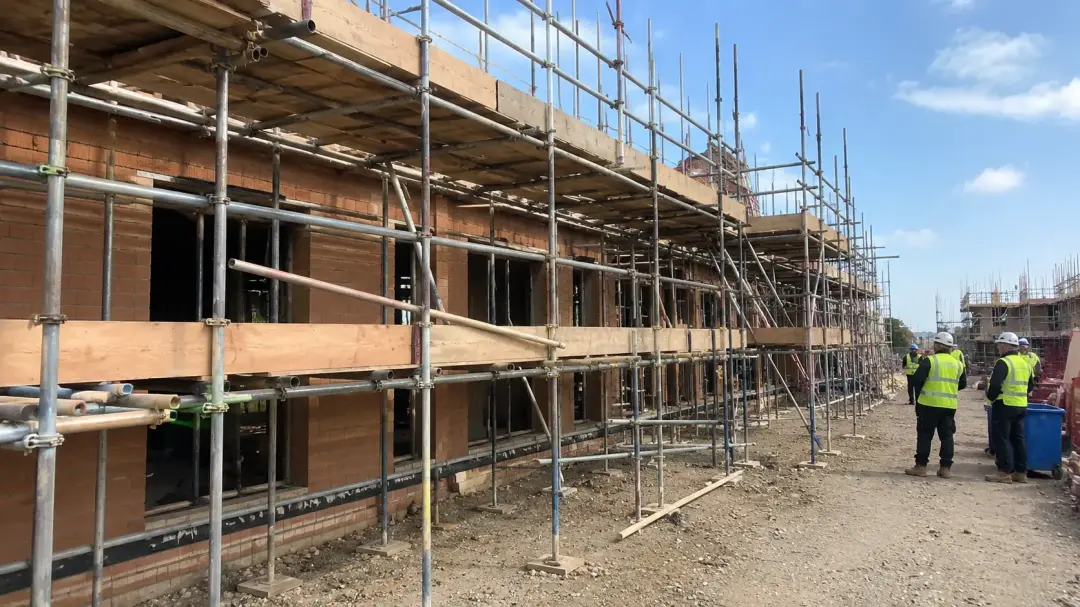
A general access scaffold can provide access to roof level as well as a working platform around the edge. Health and Safety Executive guidance states that scaffolding is usually required when working on a roof, with suitable edge protection helping to protect workers and people below.
This is an important difference between solar installation and a very brief task that might only require access for a few minutes.
How the Panel Position Affects Access
Solar panels are often fitted to the part of the roof that provides a suitable position for the system. That does not always mean the easiest part of the building to reach. Panels might be planned for the front or rear roof slope. On some properties, there may be suitable roof areas on an extension, garage, or another section of the building.
The scaffolding therefore needs to relate to the planned working area.
If panels are being installed on more than one roof slope, additional access arrangements may need to be considered. The solar installer should be clear about where work will take place so that the scaffolding can be planned accordingly.
Providing this information early can reduce the chance of changes being needed after the scaffold has already been erected.
What About Rooflights and Fragile Areas?
Not every part of a roof should be assumed to support a person's weight safely.
Rooflights and certain roofing materials can present additional risks. The Health and Safety Executive advises that roofs should be treated as fragile until a competent person has confirmed otherwise. It also identifies rooflights as a particular concern because some can be difficult to see.
This matters when planning solar panel work because installers may need to move across the roof to reach different parts of the panel area. Scaffolding can form one part of the access and fall-prevention arrangements, but other measures may also be necessary depending on the roof.
The solar installer and other contractors involved should therefore plan the work based on the actual conditions at the property rather than assuming that access to the roof edge solves every risk.
Consider How Panels and Equipment Will Reach Roof Level
Access for people is only part of the project. Solar panels, mounting equipment, tools, and other materials also need to reach the working area. The way this is handled should form part of the project planning.
Health and Safety Executive roof-work guidance explains that a general access scaffold can provide a working platform and space for materials. It also notes that a loading area can sometimes help with handling materials during roof projects.
The requirements for an individual solar project will depend on the equipment, building, and installation method. This is why the scaffolding provider should know what the scaffold will be used for rather than simply being told that access to the roof is required.
Installation Day Is Not the Only Time Access May Be Needed
Once solar panels have been fitted, they may remain in place for many years. However, that does not mean nobody will ever need to access them again. Future work could involve inspecting the panels, dealing with a fault, carrying out repairs, or temporarily removing panels so that roofing work can take place underneath them.
The access required for future work should be considered separately at the time. A method that was suitable during the original installation may not automatically be appropriate for another job.
For homeowners, this is particularly worth remembering when planning roof repairs.
If you know that roofing work will be required soon, it may make sense to discuss this before arranging the solar installation. Completing necessary roof work first can avoid having new panels positioned over an area that soon needs attention.
Coordinate the Scaffold and Solar Installation
Good timing can make a solar panel project much easier to manage. The scaffold needs to be ready when the solar installers require it, but it should not be removed until the relevant work has been completed and access is no longer required.
If another contractor is involved, such as a roofer or electrician, their requirements may also affect the schedule. It is useful to establish who needs access, where they need to work, and when their part of the project will be completed.
Scaffolding should not be altered by someone simply because a section is inconvenient. The Health and Safety Executive states that scaffolds should only be erected, altered and dismantled by competent people under appropriate supervision. If an alteration becomes necessary, it should therefore be raised with the scaffolding provider.
Plan Safe Access Before Installation Begins
Solar panels are a significant improvement for many properties, but the work required to install them takes place in an area where safe access needs careful thought. The roof shape, height, panel position, surrounding ground, and any fragile areas can all affect the access arrangements.
Discussing these details with Tamworth Scaffolding Supply before installation allows the scaffolding requirements to be considered alongside the solar project itself.
Rather than treating scaffolding as something to arrange at the last moment, including it in the early planning gives everyone involved a clearer idea of how the roof will be reached and where the work will take place. That can help the installation progress in an organised way from initial access through to completion.
If you are preparing to have solar panels installed, arranging suitable roof access should be part of your plans from the start. Tamworth Scaffolding Supply can provide scaffolding based on your property, roof layout, and access requirements. Contact our team today to discuss your upcoming solar panel installation and arrange the scaffolding you need before work begins.